

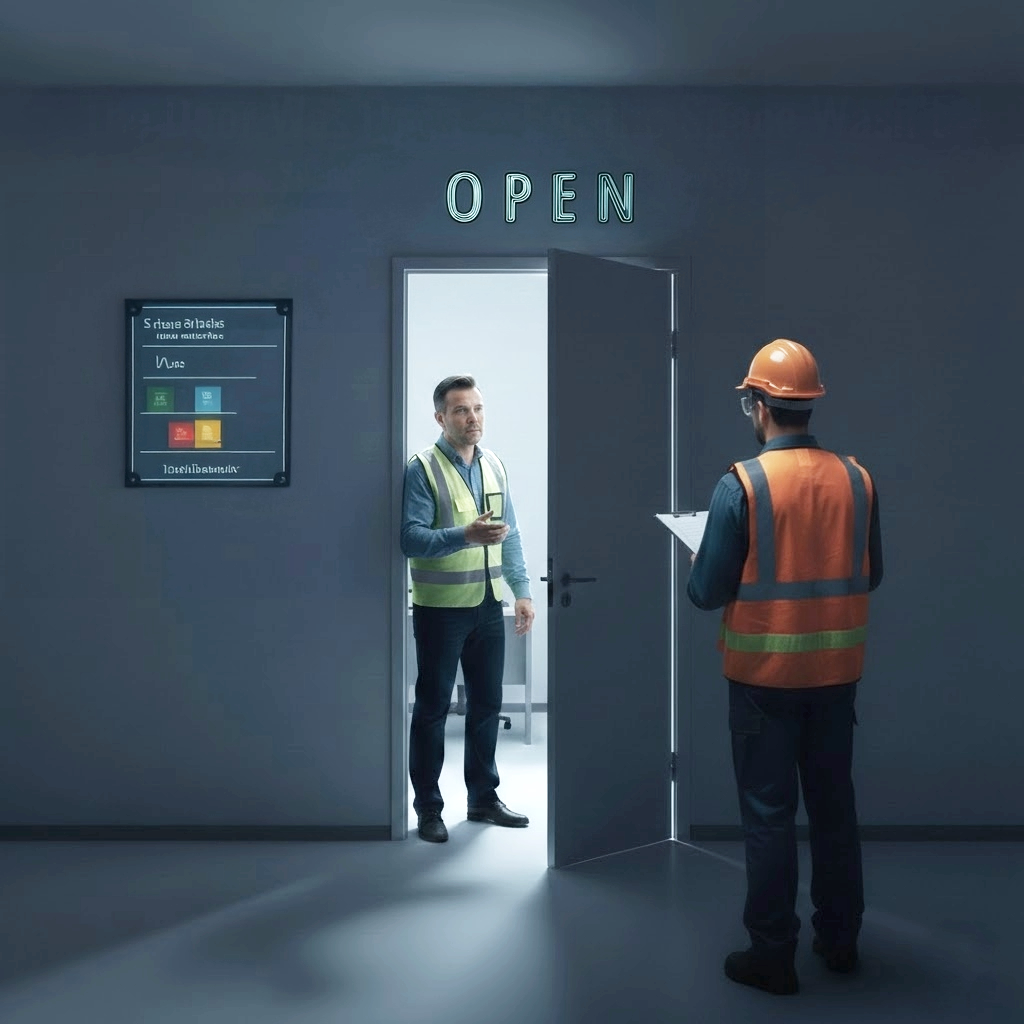
In this episode of The Safety Edge Podcast, we explore how leadership behavior, authority, and time pressure can unintentionally silence safety voices. Through a powerful workplace scenario, we unpack how subtle communication cues shape psychological safety, influence decision-making, and impact safety culture in high-risk environments. Discover why leaders who appear approachable may still create silence — and how creating real space for dialogue strengthens trust, engagement, and operational safety.

What do you do when a leader won’t hear the truth—and silence feels like the safest option? In Episode 8 of The Safety Edge, we explore how coaching-based leadership changes this dynamic, making it safer to speak up and easier for leaders to truly listen. Because whatever you make safer—truth or silence—will always be repeated.
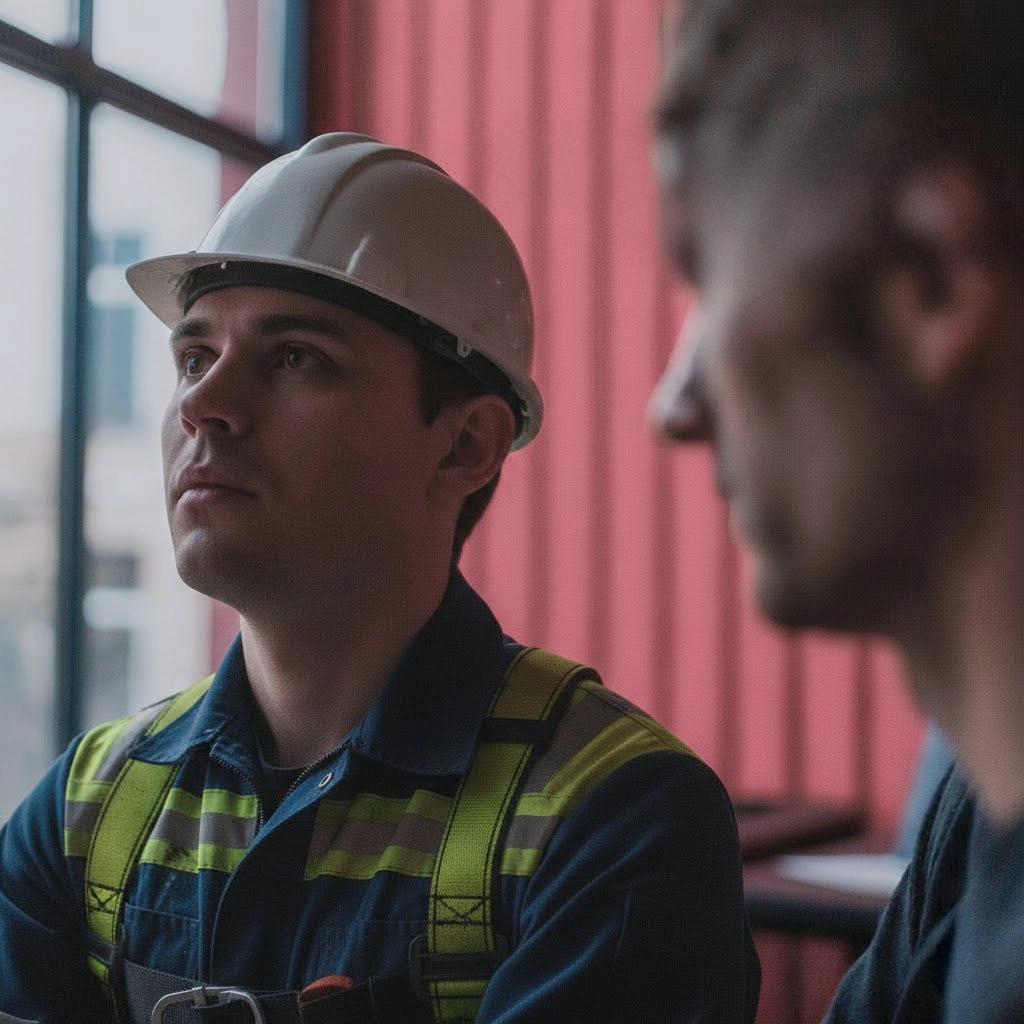
In this episode, we explore psychological safety in high-stakes environments, revealing how leadership tone, power dynamics, and rushed decision-making can turn silence into a deliberate choice. Through a real-world leadership dilemma, this episode shows how coaching questions can surface truth, preserve integrity, and protect safety — even in rooms filled with senior executives.

In this episode 6, we explore a critical leadership dilemma: when people follow procedures but stay silent about what feels wrong. Through a real-world scenario, this episode reveals how compliance can coexist with hidden risk, and why psychological safety, not rules alone, determines whether early warning signals are heard or ignored.
In this episode of The Safety Edge Podcast, we explore how safety conversations can shift from genuine engagement to performative leadership. Through a compelling workplace scenario, we unpack the hidden risks of compliance-driven dialogue, the pressure to “look safe,” and how performative behaviors weaken psychological safety and safety culture. Discover why authentic safety conversations — not polished messaging — create stronger trust, deeper engagement, and lasting safety performance.